
A Variant of a Familiar Friend
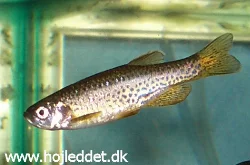
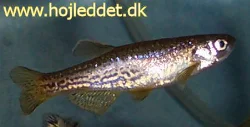
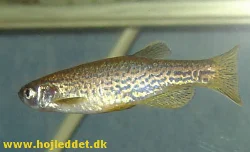
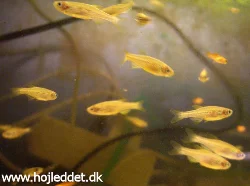
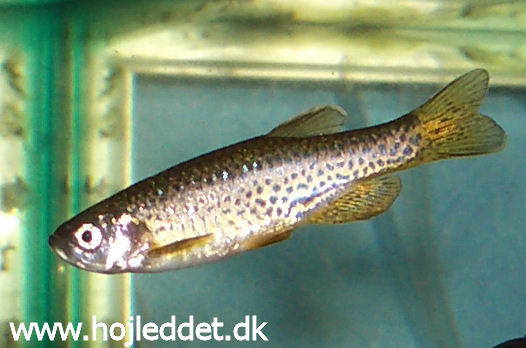
According to recent scientific classifications, Danio frankei is no longer considered a distinct species but a naturally occurring color variant of the popular Zebra Danio, Danio rerio. While the Zebra Danio is known for its horizontal stripes, the Leopard Danio is adorned with a beautiful pattern of dark spots on a golden background. Since they are technically the same species, they can interbreed freely.
Behavior and Social Needs
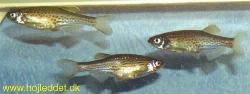
The Leopard Danio is a distinct schooling fish that primarily occupies the upper water layers. To ensure the fish thrives and displays natural behavior, at least 8-10 individuals should be kept together. While peaceful, their extremely high activity level can be stressful for calmer species such as Angelfish or Gouramis.
As an aquarist, one must be particularly aware that they are excellent jumpers. They can find even the smallest gaps in the cover or jump out of the net during transfer. Therefore, always ensure a tight-fitting lid.
Breeding: From Egg to Free-Swimming Fry
Breeding the Leopard Danio is a fantastic introduction to egg-laying fish. They are egg-scatterers, meaning they provide no parental care and will often eat their own eggs if given the chance.
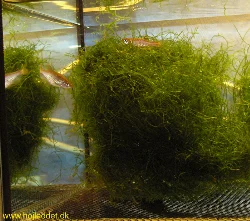
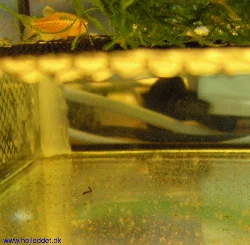
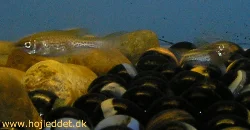
To succeed, a dedicated breeding tank (e.g., 25 liters) equipped with a breeding grate or a thick layer of glass marbles at the bottom is required to protect the falling eggs. A clump of Java Moss (*Taxiphyllum barbieri*) often serves as a focal point for spawning. The trigger for spawning is typically the first rays of morning light combined with a partial water change.
Feeding the Fry
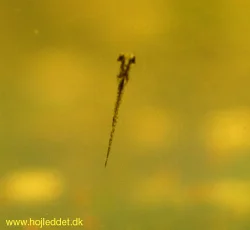
Eggs normally hatch after 48-72 hours depending on the temperature. The biggest challenge is feeding the tiny fry. As they are too small for newly hatched brine shrimp in the first few days, you must start with infusoria or specialized liquid fry food. After about a week, you can gradually transition to newly hatched brine shrimp and microworms, which ensures rapid growth.