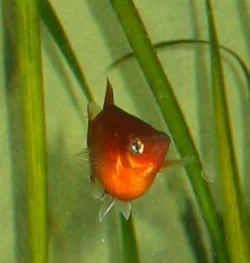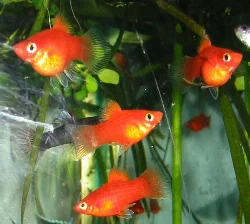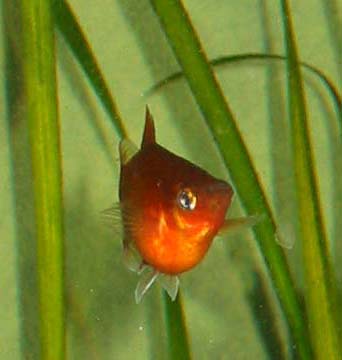
The Platy (*Xiphophorus maculatus*) is one of the most iconic and colorful fish in the aquarium hobby. They are available in a vast array of color morphs, though I personally prefer the classic red variety, particularly the 'Wagtail' with its black caudal fin. As an aquarist, watching their lively behavior is a joy, making them a perfect choice for both beginners and veterans alike.
Natural Background and Habitat
In the wild, Xiphophorus maculatus is native to Central America, spanning from Mexico to Honduras. They typically inhabit slow-moving rivers, canals, and marshes rich in aquatic vegetation. They prefer water temperatures between 20-28°C and a pH range of 7.0 to 8.2. It is worth noting that most Platies in the hobby today are commercially bred. While this makes them adaptable, some imported strains can be less hardy than locally bred ones.
Behavior and Social Needs
Platies are peaceful, social fish that thrive when kept in groups. They spend much of their day grazing on algae and exploring the tank. They are excellent candidates for community tanks but should not be housed with overly aggressive tank mates, as they lack defensive capabilities.
Breeding and Personal Experiences
Platies are livebearers and certainly not difficult to breed. However, I have had my share of challenges. My initial parent fish tended to die after about six months for no apparent reason. I later learned from local shops that this is not uncommon for imported stock due to stress or sensitivity to local water chemistry. Therefore, I highly recommend sourcing Danish-bred (locally bred) fish for better longevity.
Raising the fry also provided a learning curve. My first brood was moved to a tank that hadn't properly cycled, leading to losses and weakened survivors. Later, I mistakenly housed them with small cichlid fry, which unfortunately preyed upon the young platies. Thankfully, I managed to save a few, and after adding two adult females, the population has become extremely productive. They are now breeding consistently, and while the fry grow slowly, they do so steadily once the aquarium balance is established.